Final Draft:
In all, my writing this semester has made me much more excited for scholarly work. I used to not enjoy writing topics that were so formal but I have found joy in writing papers that interest me. When I enjoy the topic then I can give much more myself and my own thoughts to my paper, leading to a more enjoyable paper for me and readers. At the start of the semester I found writing difficult but manageable, but now I find myself anticipating getting better at it.
Documentary Paper:
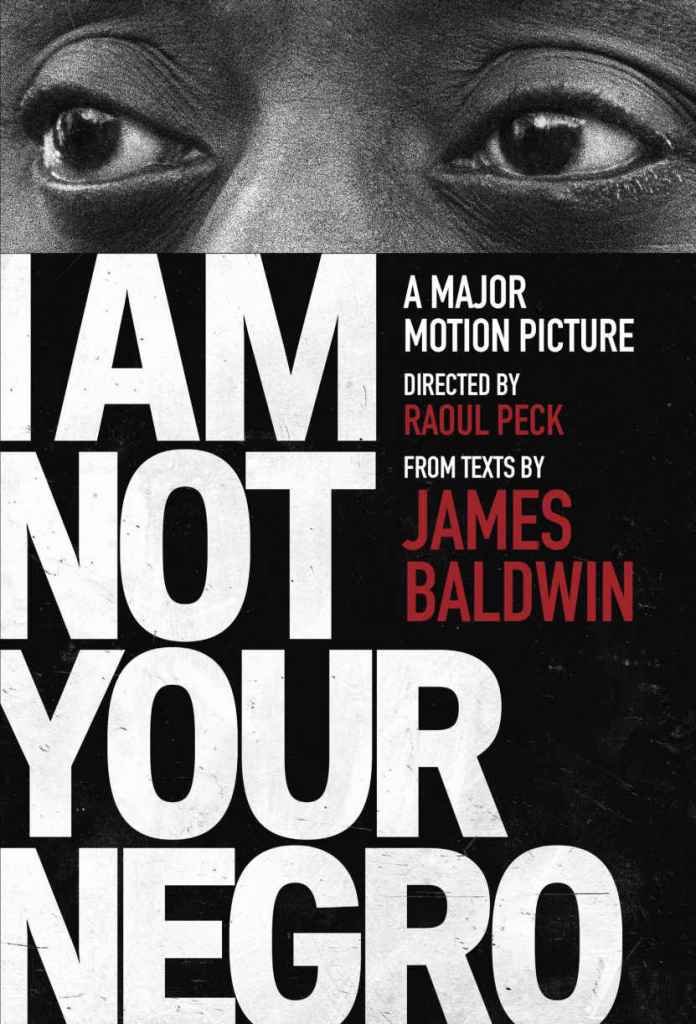
America Divided
The film I Am Not Your Negro studies the complexities that circle race in America. Raol Peck, the director, uses James Baldwin’s last manuscripts to study how race is morphed into a topic that divided the nation and how white America refuses to acknowledge it. Baldwin’s manuscripts reflect on a complicated time period by using three different prominent figures to address how they all attempted to combat racism. Peck presents the manuscripts to a modern-day audience and context by forcing viewers to feel unsettled with the lack of advancement towards a more equal society. He uses tools such as narrated dialogue and images to tie past events to the present day, helping to persuade viewers to open up emotionally to the film. These techniques help Peck’s argument that the only way to heal America’s racial injustices is to learn about the history and use it to better this country.
The biggest method clearly employed in this film is the usage of pathos through dialogue. Peck uses dramatic narration spoken by Samuel Jackson to encourage viewers to reflect on the words he is speaking. The constant stream of conscious from Baldwin’s work helps guide viewers through the difficult issues he is presenting. It makes the information seem necessary, like it is urgently needed to be heard. Listening to Jackson’s voice, I remained focused to the entire movie anticipating what else he would reveal. The almost continuous monologue of Baldwin’s words allowed me to understand him as a person without ever being in the same room as him. Baldwin’s words force reflection and is clearly meant to drive the entire film. Peck relies on Baldwin’s whole argument. This causes viewers to see Peck’s admiration and staunch support of Baldwin’s beliefs. Peck lifts up Baldwin’s manuscript. Jackson’s intense delivery aids Peck’s efforts to have us agree with Baldwin’s views. When we hear Jackson reaccount Baldwin’s words they are emphasized through intense articulation and music, clearly showing how these are incredibly important words to listen to and believe in.
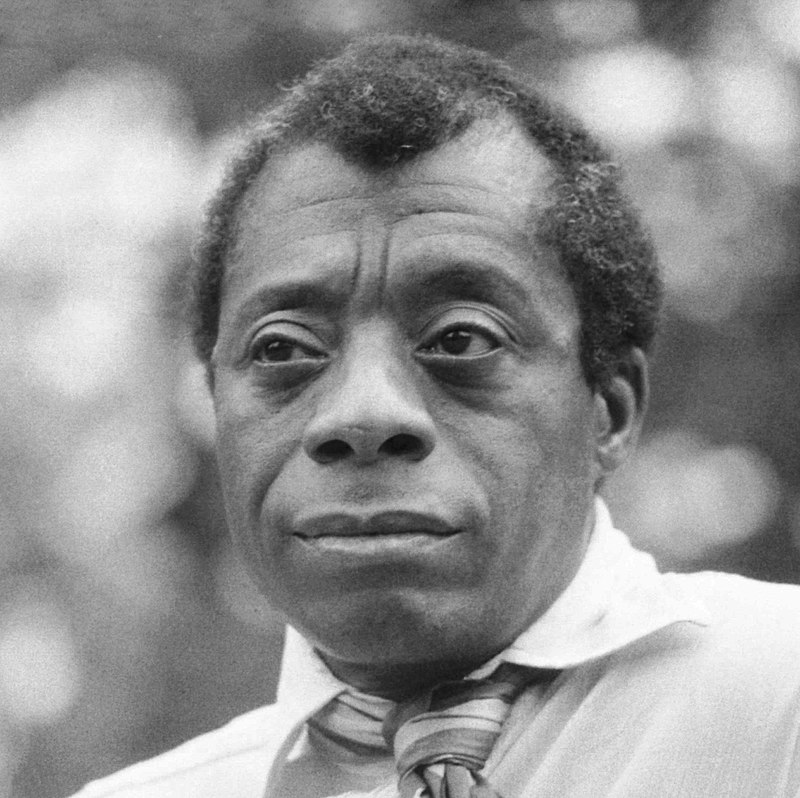
Constant footage of Baldwin is played to make people feel more personally invested in him rather than just understanding him through his words. The videos of him and people he interacted with help us contextualize the time period and what he was up against. The racism of decades ago was being compared to the racial injustice to today. It was shocking to listen to arguments that he was countering, but in reality they still exist today. Baldwin is presented by Peck as intelligent and far ahead of his time. Peck wants his words to reach us, and it does because he allows us to connect to him as a person. The video of him in the film presents him as human bringing the audience closer to being able to connect to who he is. It shows his struggles against racism in his own life and allows us to understand how affected he was, leaving America for Europe and only returning after chaos surrounding civil rights movement. This forced him to come home. If people can first connect to him, then they can sympathize, and support him.
One of the most powerful methods employed by Peck to develop the documentary is the images he displays over the dialogue. He makes the movie feel more of this era when he shows photos of black boys that were killed by cops during Baldwin’s narrates the African American experience in the foreground. Baldwin’s words reflect on African Americans dying in the mid-1900s, but the images shown go with the dialogue. The pictures of African American boys and men are memorializing those who have been murdered by police or brutalized and have not received justice. The boys photos were used to force viewers such as myself to reflect on the current day racial war in America. Peck is forcing us through blunt means to reflect, not just to see this as something integral in our past, but how it is essential to act now and protest or the consequences will be devastating. The images places Baldwin’s words in today’s tensions of police brutality forcing Americans to ask themselves what kind of role that they partake in this system that has existed since this country was founded.
Old archive footage and photos are presented throughout this film. Visual documentation of significant events as well as interviews during the civil rights movement highlight our country’s attempt to reconcile our history of slavery. The movie is as much about America’s dark past as it is about the possibility of change in the future. The archive footage presented clips of an old Hollywood film where an African American man goes to help a white man in a dangerous position. At the time this was used to alleviate white Americans from white guilt. It was to show how the black man, even though he was danger too, would aid a white man. This example captures moments in our history that people tried to patch over the years of slavery by having the black man go back to help the white man. Peck’s usage of old film is necessary in his argument, not only because Baldwin speaks on the matter, but because it holds us accountable to all our history. That film is meant to broadcast the message that there are no problems and racism is over. The footage played attempts to erase the history that exists and it’s not possible. Peck argues that we all must know our history in order to move forward. I Am Not Your Negro studies the effect racism has caused in America through the perspective of James Baldwin as he reflects on the divide America endured during the Civil Rights Movement. The film argues that the horrors of racism can only truly begin to be healed through understanding the history that has terrorized this country for centuries. Peck’s analysis of the events of the past forces us to look at ourselves to reflect on the history that has plagued this country since its inception, by using the current day events such as police brutality and the beliefs that we had moved past racism. The different methods that Peck employs ultimately develops a sophisticated documentary that I could empathize with and that takes viewers on a journey to accepting the harsh realities that have laid dormant for decades.

